Whipped cream is the crown jewel of many desserts, adding a light and airy texture that elevates any cake or pastry. Nevertheless, achieving that best whipped cream can often feel like walking a tightrope-- too soft, and it collapses; too stiff, and it ends up being grainy. So how do you guarantee your whipped cream stays fluffy and holds its shape? Buckle up, since we're diving deep into how to support whipped cream for best cakes every time!
What is Whipped Cream?
Before we look into stabilization methods, let's clarify what whipped cream actually is. Whipped cream is merely heavy cream that has been aerated through whipping. The process not only integrates air however likewise creates a luscious texture that boosts the general experience of your dessert.
The Science Behind Whipping Cream
When you whip the cream, fat molecules surround air bubbles and create a steady structure. This is why it's crucial to utilize whipping cream-- its higher fat content (around 36% or more) enables it to hold shape much better than lighter creams.
Why Stabilization Matters
Stabilizing whipped cream is necessary for a number of factors:
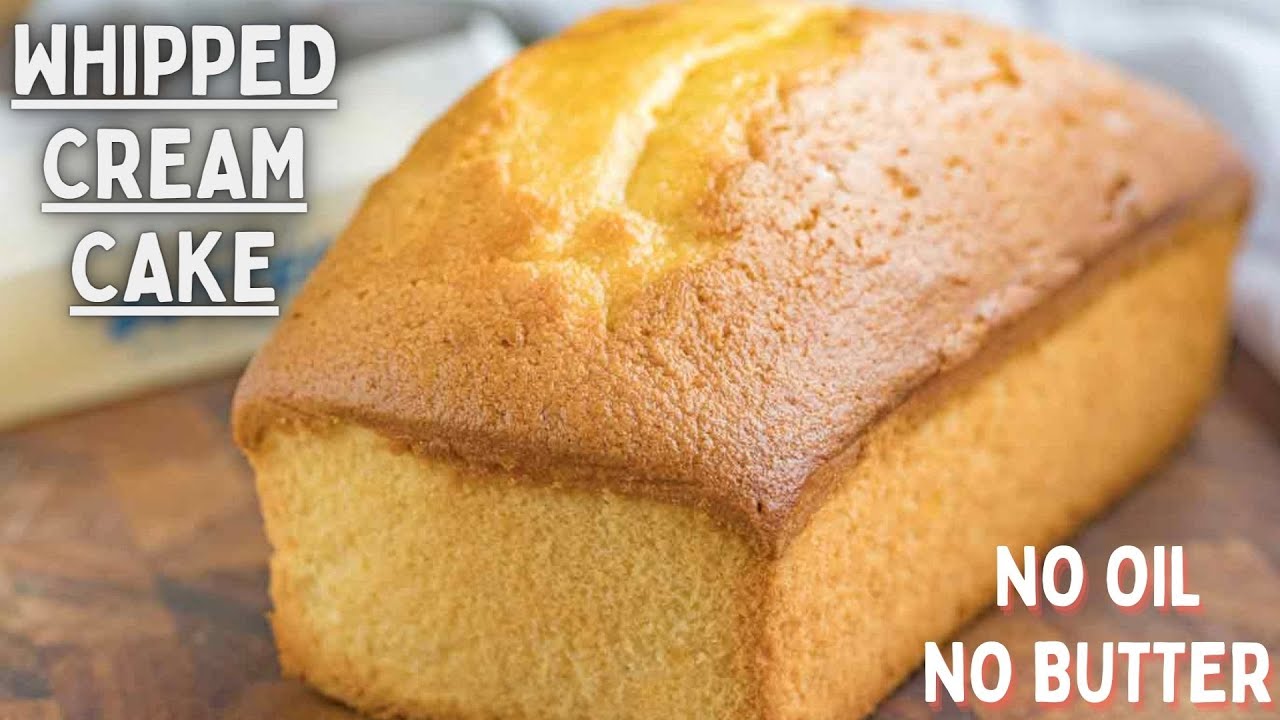
How to Stabilize Whipped Cream for Perfect Cakes Every Time
In this area, we'll explore various techniques to support your whipped cream so it can stand up to the test of time-- whether you're embellishing a cake or serving it along with pie.
1. Usage Powdered Sugar Instead of Granulated Sugar
One basic way to stabilize whipped cream is by substituting powdered sugar for granulated sugar. The cornstarch in powdered sugar acts as a stabilizer.
How to Do It:
- For every cup of heavy cream, include 2 tablespoons of powdered sugar. Whip until soft peaks form.
2. Include Gelatin
Gelatin is another popular technique for supporting whipped cream because it provides long lasting structure.
How to Do It:
Bloom 1 tablespoon of gelatin in 2 tablespoons of cold water. Microwave up until dissolved (about 10 seconds). Allow it to cool somewhat before gradually adding it to your whipped cream while whipping.3. Attempt Instant Pudding Mix
Instant pudding mix not only includes taste however also assists stabilize the whipped cream due to its modified food starch content.
How to Do It:
- Add 2 tablespoons of immediate pudding mix per cup of heavy cream. Whip together up until fluffy.
4. Usage Cornstarch
Cornstarch is another stabilizing agent that works efficiently with whipped cream.
How to Do It:
- Mix 1 tablespoon of cornstarch with your powdered sugar before including it to the heavy cream. Whip till soft peaks form.
5. Whip at Cold Temperatures
Keeping whatever cold assists maintain stability during the whipping process.
How to Do It:
- Chill your blending bowl and beaters in the freezer for about 15 minutes before whipping. Use cold heavy cream directly from the fridge.
Choosing the Right Heavy Cream
Not all creams are created equivalent! When picking heavy cream for stabilization purposes, consider these factors:
Fat Content Matters
Choose an item labeled as "heavy whipping cream" with a minimum of 36% fat content for optimum results.
Check Ingredients
Make sure there are no ingredients or preservatives that could hinder stabilization efforts.
Storage Tips for Stabilized Whipped Cream
If you've made extra stabilized whipped cream, proper storage can lengthen its life even further:
Refrigeration vs Freezing
- Refrigerate supported whipped cream in an airtight container for up to 3 days. For longer storage, think about freezing it; however, know that some textures may change upon thawing.
FAQs
Q1: Can I use non-dairy alternatives?
Absolutely! Non-dairy whipped toppings often come pre-stabilized but might contain additives that affect taste and texture.
Q2: How long does stabilized whipped cream last?
It typically lasts 2-3 days when stored appropriately in the fridge however may last longer if frozen correctly.
Q3: Can I whip my own dairy-free options?
Yes! Try to find coconut or almond creams that have high-fat material; just remember they might require various stabilization strategies due to their unique properties.

Q4: What takes place if I over-whip my heavy cream?
Over-whipping can cause butter formation and a grainy texture-- so stop when you see soft peaks forming!
Q5: Exists a replacement for gelatin?
You can use agar-agar as a vegetarian option! Just remember https://storage.googleapis.com/nibblegravings/whipped-cream/whipping-up-magic-how-to-make-coconut-whipped-cream-in-your.html it's generally less reliable than gelatin in terms of texture stability.
Q6: How do I know when my whipped cream is ready?
Look for soft peaks; it'll hold its shape without appearing stiff or dry!
Conclusion
Understanding how to support whipped cream opens brand-new possibilities in baking and dessert-making endeavors! From cakes embellished with sophisticated swirls of frosting to pies topped with dollops of delightfulness, understanding these techniques makes sure every dessert shines intense on any occasion.
By integrating these approaches into your baking repertoire, you're not just learning how to make better desserts; you're mastering an art kind that will have friends and family begging for more!
So next time you're confronted with producing ideal cakes each time-- remember these suggestions on how to stabilize whipped cream! Delighted baking!